
Primary keyword: Qwen Image 3.0 prompts

Qwen Image 3.0 Prompts: A Beginner-Friendly Guide

Use a repeatable prompt structure for portraits, products, posters, illustrations, and architecture without learning technical jargon first.

Current status

Qwen Image 3.0 was officially released on July 21, 2026. The launch confirms prompts up to 4.5K tokens, complex layouts, small text and native rendering in 12 languages. The patterns below combine those confirmed capabilities with production-safe prompt practices; critical text and facts still require human review.

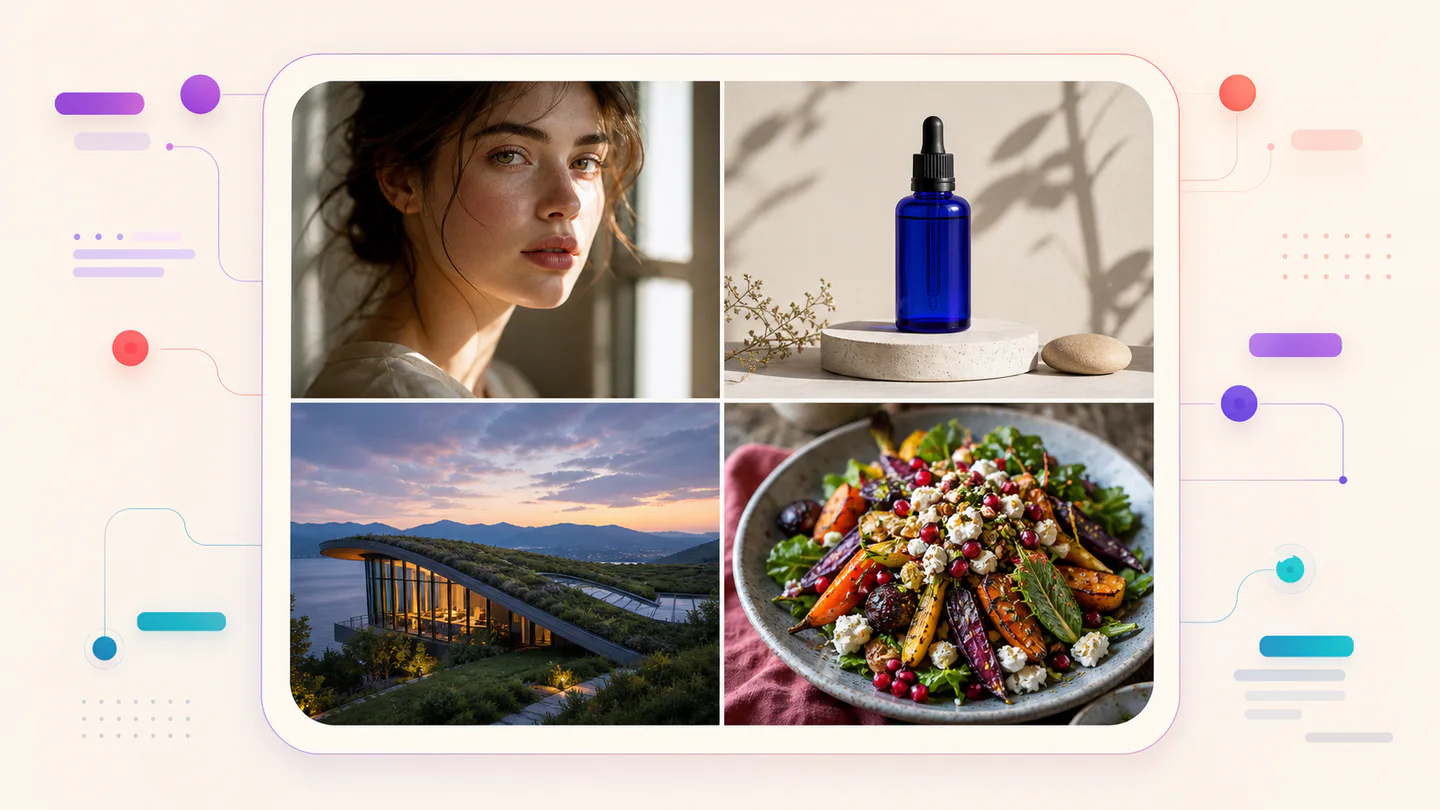
Illustrated Qwen Image 3.0 prompt case board with portrait, product, architecture and food scenarios

Illustrated case

One prompt structure, four creative directions

Read the board as four controlled starting points. Keep subject, setting, style, composition, lighting and constraints in the same order; change one block at a time so you can tell which instruction improved the result.

Illustrative workflow image—not an unedited Qwen output or a benchmark result. Use it to understand the method, then validate your own prompts and check the linked official sources.

01

Use the four-part prompt formula

Write one clear line containing the subject, setting, visual style, and lighting. Add camera or material details only when the first result needs more control.

  • Subject: what should be most important?
  • Setting: where is the subject?
  • Style: photo, illustration, 3D, poster or other medium
  • Lighting: soft daylight, studio light, sunset or dramatic contrast
02

Start from a useful example

Copy the closest example and change one variable at a time. Keeping the rest stable makes it easier to learn what each phrase changes.

  • Portrait: natural skin, eye-level framing, soft window light
  • Product: clean silhouette, exact material, controlled studio shadow
  • Poster: clear hierarchy, quoted text, restrained color palette
  • Architecture: viewpoint, scale cue, material and time of day
03

Refine one thing at a time

If the composition is right but the mood is wrong, change only the lighting or palette. If text matters, quote the exact copy and ask for no extra text. Save successful prompts in your studio.

04

Control layouts and exact text deliberately

For a poster or interface, describe the reading order, major regions, alignment and quoted copy. Qwen reports stronger complex-layout and small-text capability, but every important word should still be checked in the final image.

  • Write exact copy inside quotation marks
  • State the number and position of content blocks
  • Name the language and forbid extra text
  • Proofread names, prices and legal text manually
05

Diagnose a weak result before adding more words

First decide whether the failure is subject accuracy, composition, text, style or lighting. Rewrite only that part, keep the seed and other settings stable when possible, and stop adding adjectives that compete with one another.

06

Build prompts for infographics, posters and product ads

For a dense visual, define the canvas, information hierarchy and exact copy before describing decoration. A useful pattern is: purpose, audience, layout regions, quoted text, visual system and exclusions. Ask for one clear reading path and reserve empty space around important copy.

  • Infographic: title, three numbered facts, one chart and a source area
  • Poster: one headline, one product, one benefit and one CTA
  • Product ad: accurate material, controlled shadow and brand-safe palette
  • Storyboard: fixed character, shot type, action and continuity note
07

Turn successful prompts into a reusable system

Save the final prompt together with model, aspect ratio, seed, date and output. Replace business-specific values with named slots such as product, audience, headline and palette. A tested prompt template reduces paid retries and makes quality easier to reproduce across a team.

  • Keep a baseline output beside every approved template
  • Version templates when the model or provider changes
  • Separate exact copy from descriptive visual language
  • Retire templates that repeatedly need manual repair

Frequently asked questions

What is a good Qwen Image 3.0 prompt structure?

Start with subject, setting, visual style and lighting. Add composition, camera, material or exact text only when those details affect the result.

Can I write prompts in Chinese?

Yes. The official release highlights multilingual understanding and rendering. Keep critical text quoted and inspect every character in the result.

How long should a prompt be?

Use the shortest prompt that removes ambiguity. Qwen Image 3.0 supports much longer input, but length alone does not improve an image.

Does this site's generator already use Qwen Image 3.0?

Yes. Qwen Image 3 is the default, and users may also select Qwen Image 2 Standard or Pro. Every task retains the model that actually created it.

How should I prompt exact text in Qwen Image 3?

Put the required copy in quotation marks, name its language, location and hierarchy, and explicitly forbid extra words. Keep critical prices, dates and legal copy short, then proofread every character before publishing.

Which Qwen Image 3 prompts are best for commercial work?

Prompts tied to a deliverable perform best: a marketplace hero image, product benefit poster, localized social ad, menu or infographic. Include dimensions, brand constraints, required copy and a review checklist.

Continue reading

Browse all Qwen Image 3.0 guides

Try the guided image workspace

Start with a plain-language prompt, choose a format, and refine the result from your private studio.